釀葡萄葉(Dolmades Nistisimi,Dereve Pattoug)
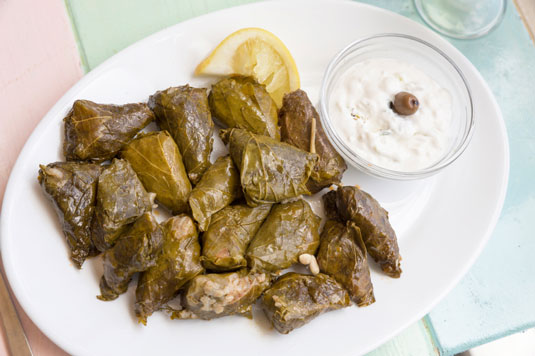
釀葡萄葉是一個充滿希臘風味的菜餚,適合成為開胃菜或便餐,結合了米飯、香草和多種配料,營養美味。
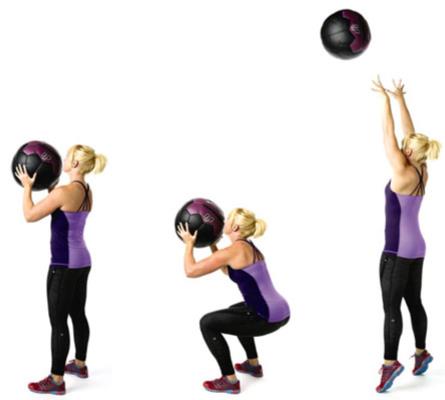
壁球可以增強許多肌肉,被認為是一種全身鍛煉。
做壁球,你需要一個實心球。通常,男性使用約 20 磅的球,女性使用約 14 磅的球。
選擇牆上的一個點進行對焦,距離地面大約 8 到 10 英尺。
從站立姿勢開始,距離牆壁約 15 到 24 英寸,雙腳分開與肩同寬,如果底部位置對您來說更舒適,則腳趾稍微向外翻,並將您的體重放在腳後跟上。用你的手和肘部在下巴水平的球下方握住球。
將球保持在下巴水平,下降到深蹲的底部位置(或接近它)。
快速扭轉動作,爆發性地伸展臀部和膝蓋。當您將身體的動量轉移到手臂上並向目標發射藥球時,您可能會抬起腳趾。
這個動作應該以你的身體完全伸展結束,手指指向目標。
當球從牆上彈開時,在靠近下巴的位置接住它,讓球的重量將你推回前蹲,以無縫地開始下一個動作。
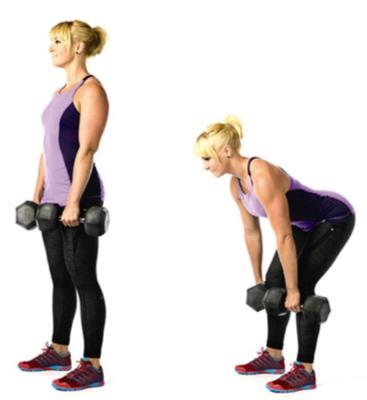
啞鈴羅馬尼亞硬拉是一種有效的鍛煉方法,因為通過這個動作,您可以加強上半身和下半身的力量。
將啞鈴放在地板上,雙腳分開略寬於肩寬站立。
蹲下來抓住啞鈴。
保持脊柱中立,完全站立,啞鈴靠在大腿前部,肘部伸直。保持肩胛骨向下拉並捏在一起。
向後移動你的臀部並向前彎曲,就像你在鞠躬一樣。
保持啞鈴靠近你的身體,在保持背部自然拱形的同時盡可能地降低啞鈴——在膝蓋下方射擊(精確的底點因人而異)。
回到站立並重複。
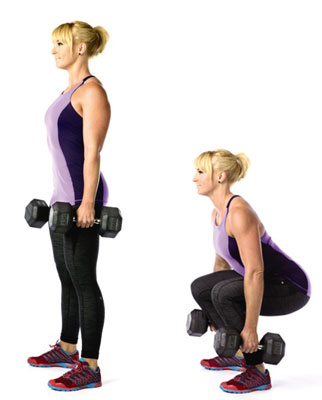
啞鈴深蹲可以鍛煉你的整個下半身。
站立,雙手各握一個啞鈴放在身體兩側,手掌朝向雙腿。雙腳分開與肩同寬。
保持重物垂在身體兩側,通過向後推動臀部並彎曲膝蓋來慢慢降低軀幹。
保持背部的自然拱形,盡可能以完美的形式下降。
通過腳後跟驅動返回起始位置。
啞鈴深蹲可以鍛煉你的整個下半身。
站立,雙手各握一個啞鈴放在身體兩側,手掌朝向雙腿。雙腳分開與肩同寬。
保持重物垂在身體兩側,通過向後推動臀部並彎曲膝蓋來慢慢降低軀幹。
保持背部的自然拱形,盡可能以完美的形式下降。
通過腳後跟驅動返回起始位置。
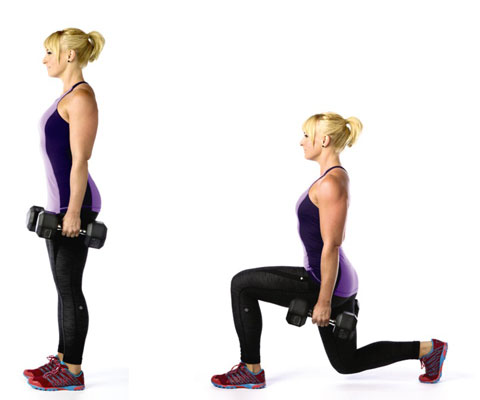
啞鈴弓步可以加強下半身。
要進入起始位置,請站立,雙手各握一個啞鈴放在身體兩側,手掌朝向雙腿。你的雙腳應該分開與肩同寬。
用一條腿向前邁出一大步,同時彎曲雙腿直到它們成 90 度。(前大腿的頂部將與地面平行。)
保持胸部向上,頭部處於中立位置,向前看。
推動前腳後跟,退回到起始位置。
在同一側或交替側重複動作。
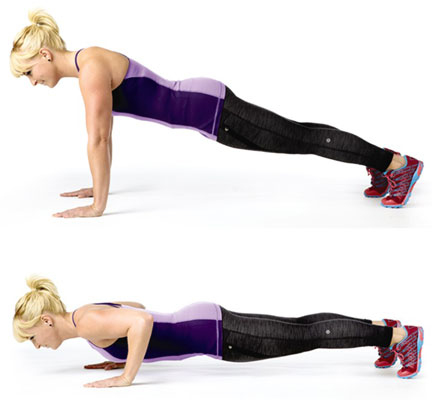
傳統的俯臥撑堅持鍛煉循環,因為它們是加強上半身和增強核心力量的絕佳方式。
要進入起始位置,請將您的雙腳和雙手放在地板上,雙手分開略大於肩寬,雙腳分開與臀部同寬。
將自己放低到地板上,當您的胸部離地面幾英寸時停止。
遠離地板,伸直手臂。
身體的其餘部分應該像板一樣保持僵硬,從頭到腳保持直線。
在頂部暫停並重複。
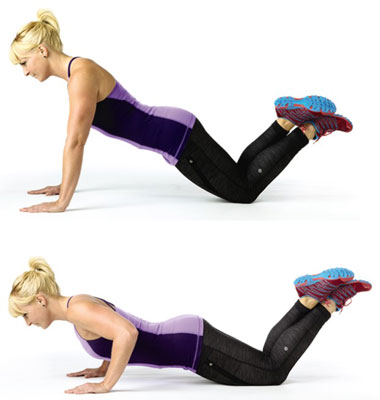
如果您不熟悉俯臥撑,請嘗試修改俯臥撑。
To get in starting position, place your hands and knees on the floor, with hands slightly more than shoulder-width apart and knees hip-width apart; cross your legs at the ankles.
Make sure your arms are straight and your body forms a perfectly straight line from head to knees.
Lower yourself to the floor, stopping when your chest is a few inches from the ground.
Press away from the floor, straightening your arms.
The rest of your body should remain stiff as a board, maintaining the straight line from head to knees.
Pause at the top and repeat.
If you’re new to push-ups, try modified push-ups.
To get in starting position, place your hands and knees on the floor, with hands slightly more than shoulder-width apart and knees hip-width apart; cross your legs at the ankles.
Make sure your arms are straight and your body forms a perfectly straight line from head to knees.
Lower yourself to the floor, stopping when your chest is a few inches from the ground.
Press away from the floor, straightening your arms.
The rest of your body should remain stiff as a board, maintaining the straight line from head to knees.
Pause at the top and repeat.
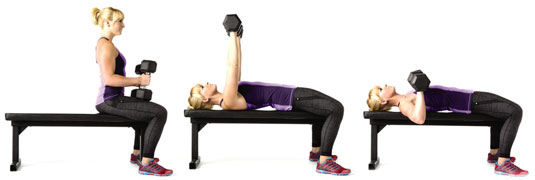
The dumbbell bench press builds your upper body, working your chest, shoulders, and triceps.
Sit on the bench with the dumbbells resting on your lower thighs. Use your thighs to help bump the weights up to your shoulders one at a time and lie back.
Rotate your wrists forward so that the palms of your hands are facing away from you.
Lower the weights to chest level with a bent arm under each dumbbell, creating a 90-degree angle.
Press the dumbbells upward until your arms are extended and parallel.
Your dumbbells should touch ends at the top position.
Lower the weights in a smooth controlled fashion to the starting position. Repeat.
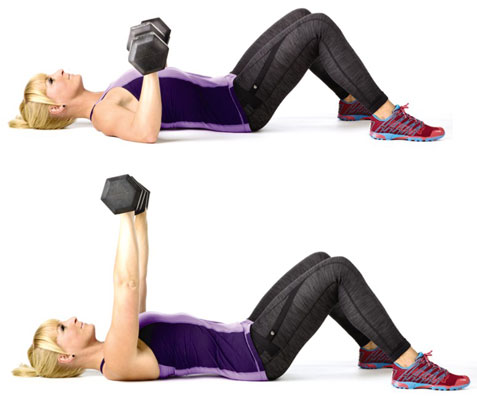
Try the dumbbell press on the floor.
Sit on the floor with the dumbbells resting on your lower thighs. Bringing the weights with you in front of your chest, lie back, knees bent.
Maneuver the weights so that your forearms are vertical and your elbows and upper arms are flush with the ground.
Rotate your wrists forward so that your palms are facing away from you.
Press the dumbbells upward until your arms are extended and parallel.
Your dumbbells should touch ends at the top position.
Slowly lower the dumbbells down until your upper arms are resting on the floor again. Repeat.
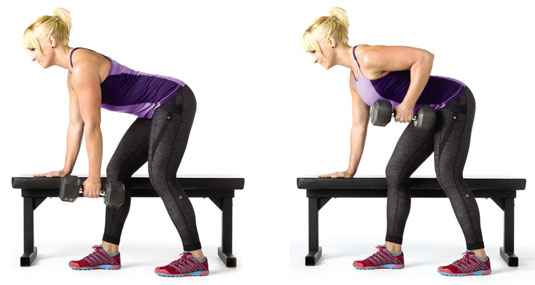
1
Dumbbell rows develop and strengthen many of your back muscles (both upper and lower) and also work your shoulders, arms, and core.
Stand near a stable bench, table, or chair. Hold the dumbbell in the hand farthest from the bench.
Take a large step forward with your foot closest to the bench and place the same-side hand on top of the bench to brace yourself.
Lean forward so that your back is almost parallel to the floor.
The dumbbell should be hanging down toward the floor, with your knees slightly bent and your eyes focusing on a spot on the ground somewhere in front of you.
Pull your shoulder back and row the dumbbell up to your ribs, pulling your elbow to the ceiling as far as you can without forcing it.
Your forearm should be nearly vertical from start to finish.
Lower in a smooth and controlled manner and repeat.
To change sides, switch the direction you’re facing and follow the same procedure.
1
Dumbbell rows develop and strengthen many of your back muscles (both upper and lower) and also work your shoulders, arms, and core.
Stand near a stable bench, table, or chair. Hold the dumbbell in the hand farthest from the bench.
Take a large step forward with your foot closest to the bench and place the same-side hand on top of the bench to brace yourself.
Lean forward so that your back is almost parallel to the floor.
The dumbbell should be hanging down toward the floor, with your knees slightly bent and your eyes focusing on a spot on the ground somewhere in front of you.
Pull your shoulder back and row the dumbbell up to your ribs, pulling your elbow to the ceiling as far as you can without forcing it.
Your forearm should be nearly vertical from start to finish.
Lower in a smooth and controlled manner and repeat.
To change sides, switch the direction you’re facing and follow the same procedure.
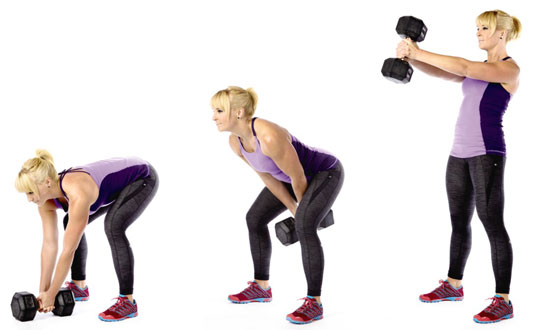
1
The dumbbell swing is one of the best exercises you can do for full-body strength and power.
Place the dumbbell between your legs, with your feet slightly wider than shoulder-width apart and your toes pointing slightly outward.
Squat down and grab the handle of the dumbbell with both hands interlocking your fingers around the handle.
Hike the dumbbell back between your legs to build momentum. Then, keeping your arms straight, immediately stand upright and snap your hips forward, swinging the dumbbell upward until it’s at about shoulder height.
The power should come from your hips and glutes — don’t raise it with your arms.
隨著啞鈴再次向下彎曲,臀部向前折疊約 45 度,稍微彎曲膝蓋,將啞鈴引導到雙腿之間。
這樣就完成了一次重複。
從那一點繼續,用力拉直臀部和腿部,使啞鈴再次達到肩部高度。
您可能需要從僅達到肚臍高度的擺動開始,直到您對動作感到滿意為止。
1
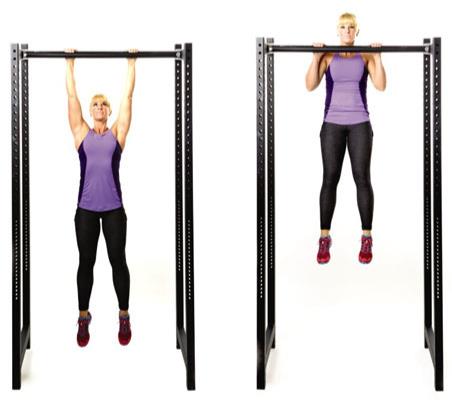
引體向上是一種很好的鍛煉上半身力量的運動。
雙手分開與肩同寬抓住引體向上桿,手掌背向自己,雙臂完全伸展。
向上拉你的身體,直到你的下巴超過槓鈴。
當你到達頂部時,集中精力保持肩胛骨向下並捏在一起(這將防止你在槓鈴上縮成一團)。
慢慢降低自己到懸掛位置並重複。
1
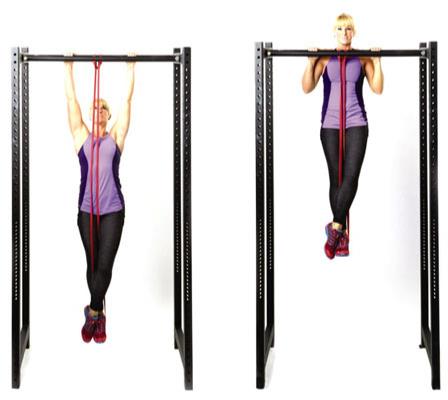
如果您需要幫助做引體向上直到您增強力量,請嘗試使用不同程度輔助的運動帶。
將帶子繞在拉桿上,將一端穿過另一端並將其拉緊在拉桿上。將一隻腳放在鍛煉帶上,另一隻腳在前面交叉以將帶固定到位。
雙手分開與肩同寬抓住引體向上桿,手掌背向自己。
向上拉,直到你的下巴在槓鈴上方,並通過保持你的腿伸直和膝蓋鎖定來保持彈力帶的張力。
慢慢降低自己到懸掛位置並重複。
1
如果您需要幫助做引體向上直到您增強力量,請嘗試使用不同程度輔助的運動帶。
將帶子繞在拉桿上,將一端穿過另一端並將其拉緊在拉桿上。將一隻腳放在鍛煉帶上,另一隻腳在前面交叉以將帶固定到位。
雙手分開與肩同寬抓住引體向上桿,手掌背向自己。
向上拉,直到你的下巴在槓鈴上方,並通過保持你的腿伸直和膝蓋鎖定來保持彈力帶的張力。
慢慢降低自己到懸掛位置並重複。
1
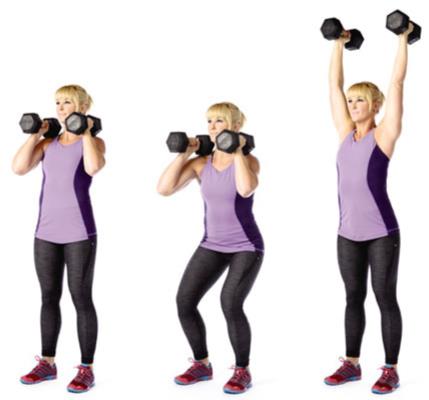
推舉針對你所有的肩部肌肉,甚至可以鍛煉你的腿。
從雙腳分開與臀部同寬開始,將啞鈴放在肩膀前面。
確保您牢牢抓住把手。
輕輕地吸一口氣,彎曲膝蓋,保持軀幹直立,頭部向上。
立即反轉運動,用雙腿將啞鈴從肩膀上推開。利用這個動力將啞鈴推過頭頂。
這應該是爆炸性的,但在控制之下。
在最高位置暫停片刻,然後將啞鈴放回肩膀。重複。
釀葡萄葉是一個充滿希臘風味的菜餚,適合成為開胃菜或便餐,結合了米飯、香草和多種配料,營養美味。
地中海飲食中常見的鷹嘴豆和蠶豆,不僅美味,更是健康的飲食選擇。
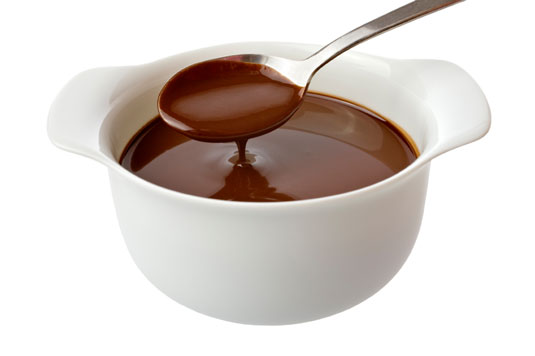
這款巧克力肉桂醬非常適合搭配冰淇淋、蛋糕或布朗尼蛋糕,並且可以在冰箱中保存長達兩週。
奇亞籽當然是獨一無二的。它們營養豐富,對您的健康有益且富含 omega-3 脂肪酸。以下是一些關於奇亞籽的鮮為人知的事實,您可能會驚訝地發現。
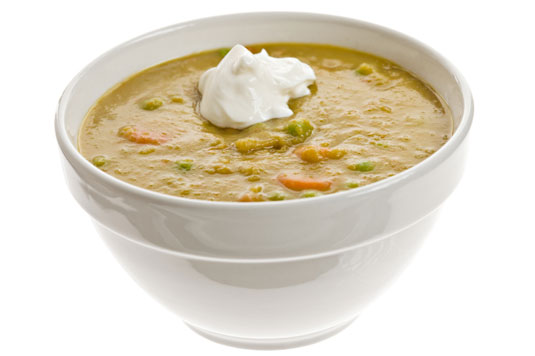
豌豆湯是一種舒適的食物,能在寒冷的冬夜給您帶來溫暖與滿足。了解如何製作這種美味的湯, идеально配合鄉村白麵包或黑麥麵包。
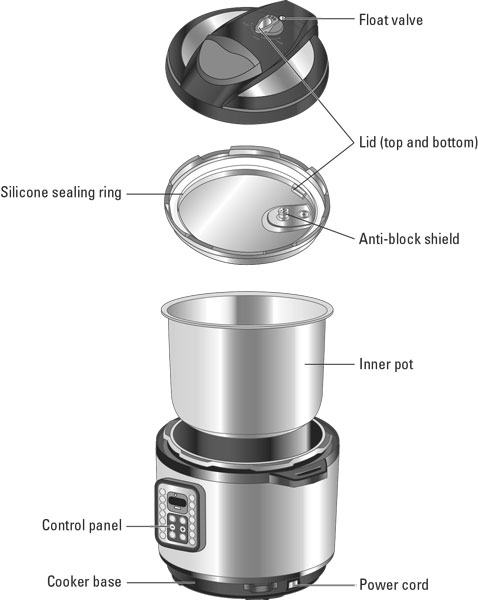
了解 Instant Pot 的零件和功能,這將使您成為廚房的高手,快速準備美味的餐點。
將這種平腹綠豆薯條食譜添加到您的曲目中,它們將成為家庭的最愛,特別適合替代傳統薯條!
使用壓力鍋煮豆子是簡單而高效的方法。遵循這些建議的烹飪時間,以獲得完美的豆類。
探索基本的棕色醬汁製作技巧,其主要成分是牛肉或小牛肉的庫存,並了解如何用不同的方法增強其風味。
如果您採用低膽固醇的生活方式,則需要重新考慮您的食品購物習慣:了解哪些水果和蔬菜最有益,並尋找高纖維食物。此外,熟悉常見食物中的膽固醇和飽和脂肪含量,以便您自動做出最健康的選擇。